
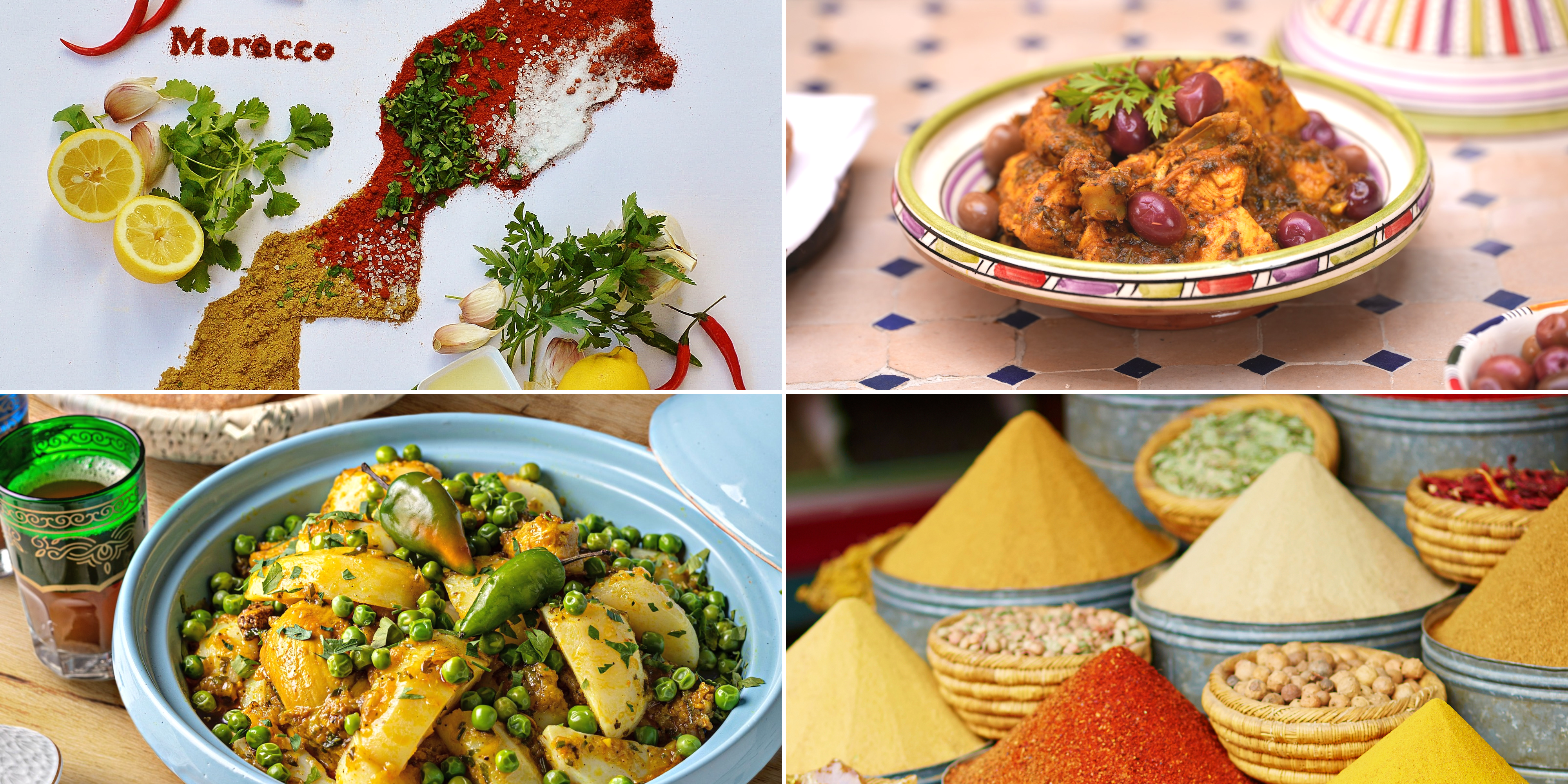
There’s something about the souks of Morocco that defies description. You step into these bustling, labyrinthine markets, and it’s as if you’ve been transported to another world; a place where the air is thick with the aroma of spices and the hum of bartering voices. These markets are the heartbeat of Moroccan life, where tradition and commerce dance together in a vibrant, chaotic symphony.
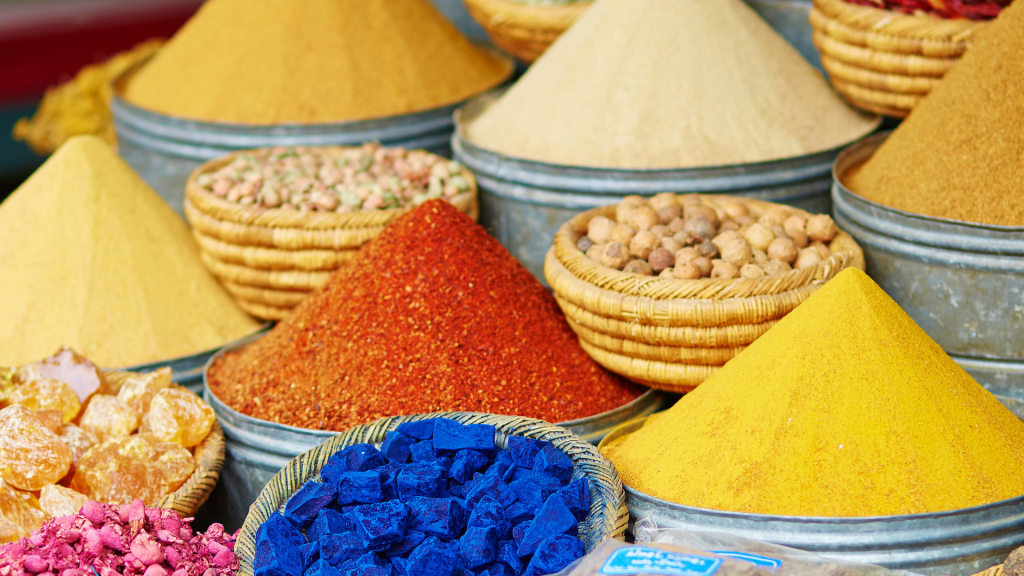
I’ve wandered through many markets in my travels, but few compare to the sensory overload of a Moroccan souk. Picture this: mountains of saffron, glowing like tiny red flames; the sharp, intoxicating scent of freshly ground cumin; the earthy, almost sweet aroma of turmeric. It’s enough to make your head spin in the best possible way. And it’s not just the spices. There are pyramids of olives: green, black, wrinkled, stuffed; each offering a promise of briny and tangy delights. You’ll find preserved lemons, their bright yellow skin wrinkled from months of soaking in salt and lemon juice, ready to add a burst of flavor to any tagine.
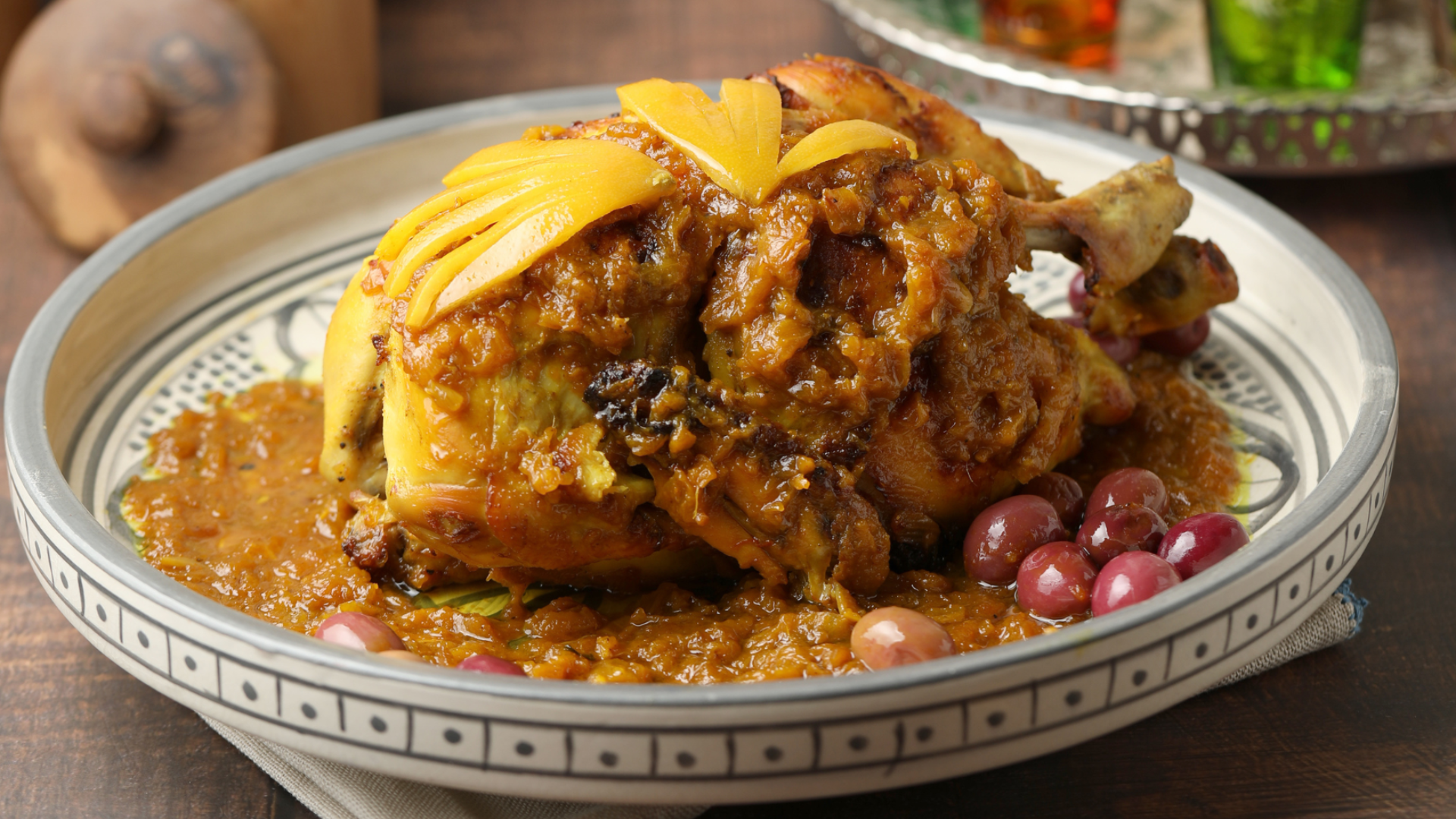
Use Moroccan spices and condiments to make Djaj Mhammer (Moroccan Roast chicken)
These ingredients are the soul of Moroccan cooking, and they’re not something you can just pick up at your local grocery store. No, to cook Moroccan food the way it’s meant to be cooked, you need the real deal. And for that, you need to know where to look.
In the heart of Marrakech or the coastal beauty of Essaouira, the markets are alive with the chatter of vendors and the rich, unfiltered essence of Moroccan culture. The key to navigating these markets is patience and curiosity. Don’t rush. Take the time to talk to the vendors. Many of them are more than just sellers; they’re keepers of tradition, passing down recipes and techniques through generations. Ask them about their spices, their olives, their preserved lemons. They’ll tell you stories that add depth to every ingredient you buy.
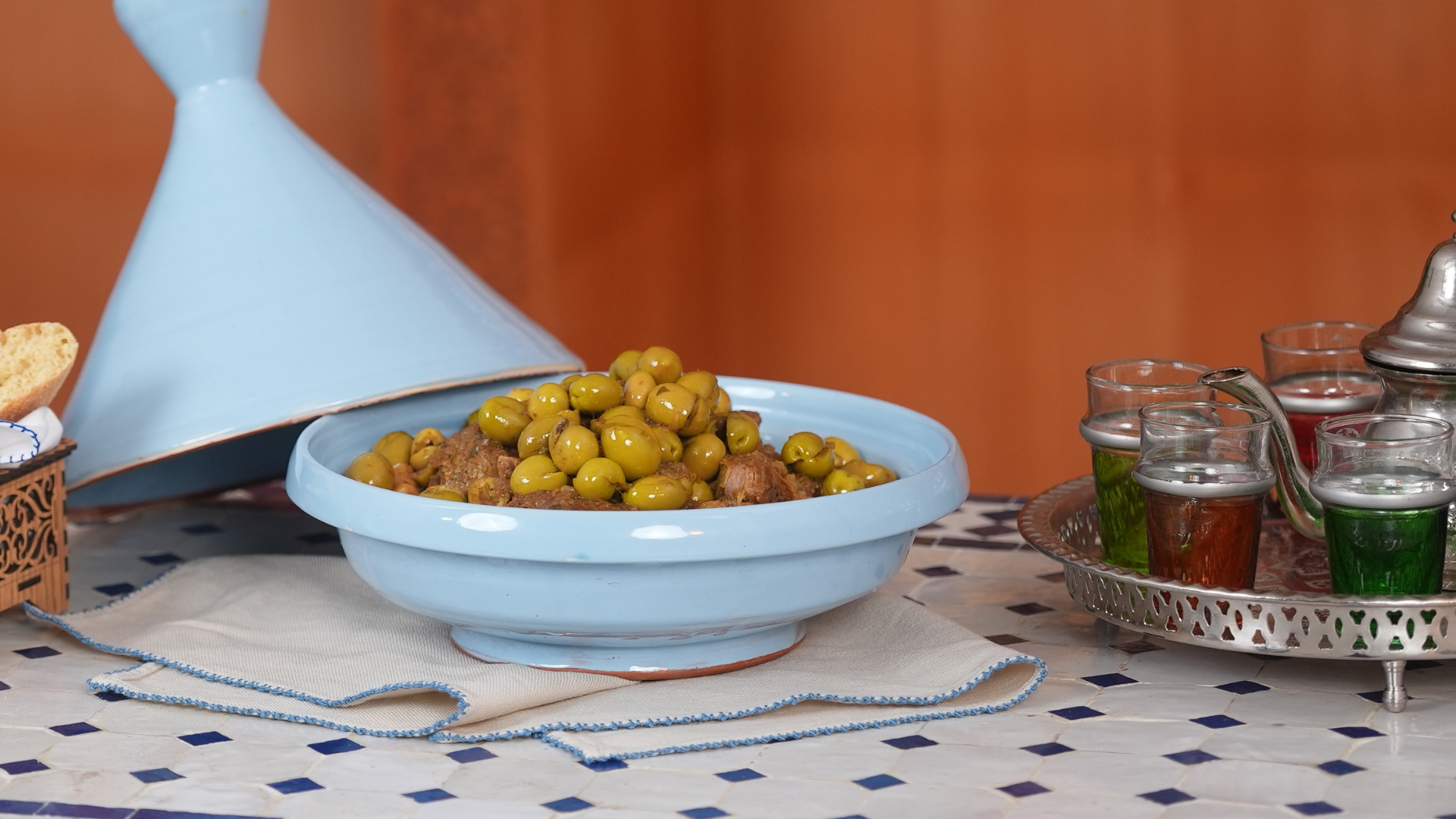
Discover the Moroccan Tagine with Meslalla olives
Seasonality also plays a crucial role in Moroccan cuisine. The country’s agricultural richness means that fresh produce varies with the seasons. In spring, markets overflow with tender artichokes and sweet peas, while summer brings an abundance of juicy tomatoes and fragrant melons. Knowing what’s in season can elevate your cooking, ensuring that each dish bursts with the natural flavors that define Moroccan food.
Cooking with authentic Moroccan ingredients is about more than just following a recipe. It’s about embracing a tradition that’s steeped in history and culture. The right spices can transform a simple dish into a culinary journey. Saffron threads, plucked painstakingly by hand, add a golden hue and a delicate flavor that’s unmistakably Moroccan. Preserved lemons, with their salty, tangy punch, bring a unique brightness to tagines and salads.
So, take the time to seek out these ingredients. Whether you’re wandering through a Moroccan souk or browsing online, the search is part of the adventure. And when you finally sit down to a meal made with authentic Moroccan spices and ingredients, you’ll taste the difference. It’s a journey worth taking, and one that will make every bite a celebration of the rich, vibrant world of Moroccan cuisine.
